
 EN
EN
 EN
EN AR
AR BG
BG HR
HR CS
CS DA
DA NL
NL FI
FI FR
FR DE
DE IT
IT NO
NO PL
PL PT
PT RO
RO RU
RU ES
ES SV
SV IW
IW SR
SR SK
SK SL
SL TR
TR FA
FA
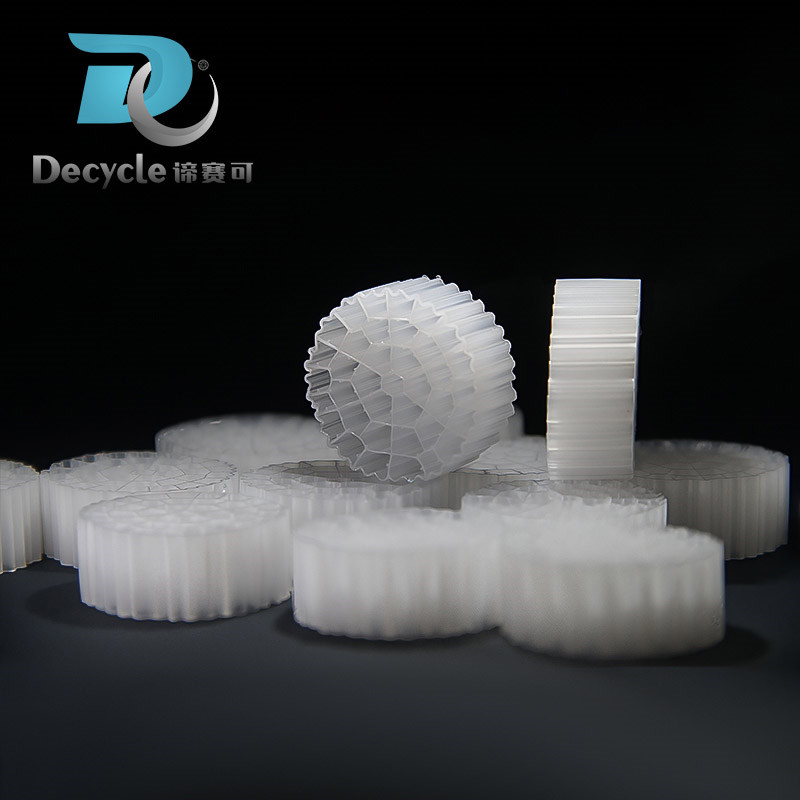
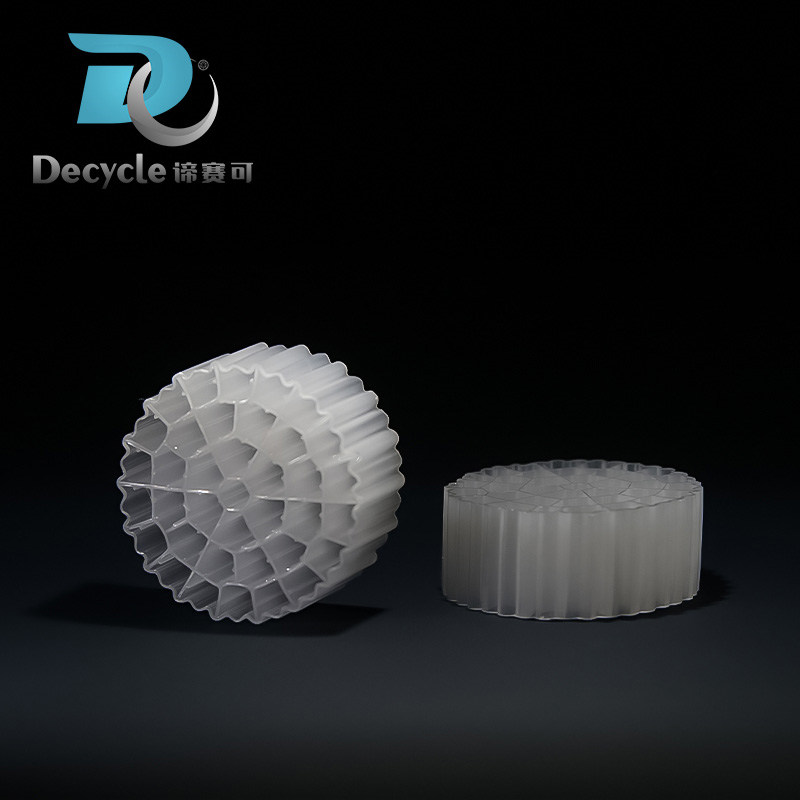
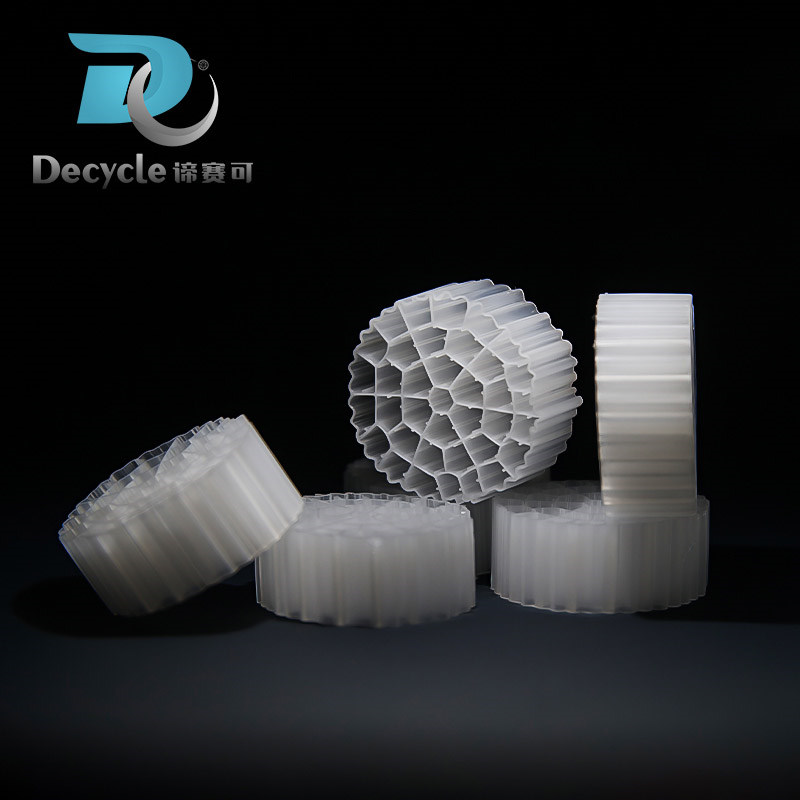
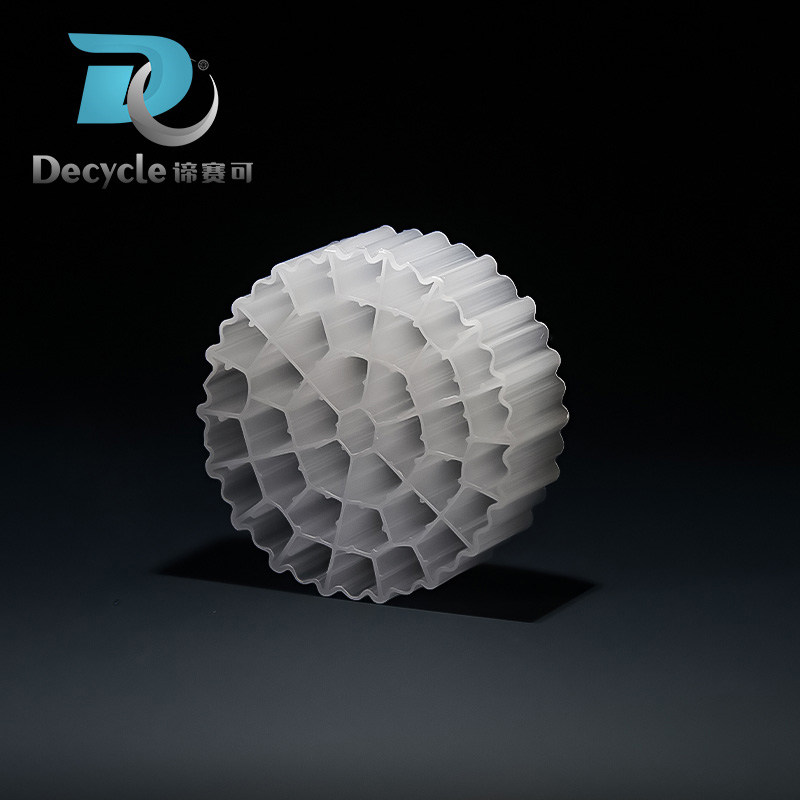
DC 37 Selüloz və Kağız Sənayesi Tullantı Sularının İkinci Təmizlənməsi üçün
An imbalance in the nutrient ratio (C:N:P) of the influent, or the presence of toxic substances in industrial wastewater that inhibit biological growth. During the initial biofilm formation stage, the aeration rate was set too high, causing the nascent, delicate biofilm to be directly washed away by the excessive airflow. Some new media may have residual processing oil on their surfaces, or the material itself may lack sufficient hydrophilicity.
Təsvir: Hər maşın üçün dəqiq və cəlbedici təsvir yazmağınız daha yaxşı olar. Bunun üçün chat.openai.com saytına daxil olaraq, orada aşağıdakı kimi sorğu yarada bilərsiniz: "Create the most powerful SEO-friendly text about [avtomobil modeli] for rentacarXNUMX.az site." Qeyd: "[avtomobil modeli]" yerinə təsvirini yazmaq istədiyiniz avtomobilin adını qeyd edin.
Why does biofilm formation take so long in a new tank after adding MBBR media?
An imbalance in the nutrient ratio (C:N:P) of the influent, or the presence of toxic substances in industrial wastewater that inhibit biological growth. During the initial biofilm formation stage, the aeration rate was set too high, causing the nascent, delicate biofilm to be directly washed away by the excessive airflow. Some new media may have residual processing oil on their surfaces, or the material itself may lack sufficient hydrophilicity.
Solutions: During the initial biofilm formation phase (the first 3–7 days), use low aeration rates—just enough to keep the media moving—to reduce shear stress and promote microbial attachment. Introduce mature activated sludge from a similar wastewater source for inoculation, maintaining a concentration of 2,000–3,000 mg/L to accelerate biofilm formation. For industrial wastewater, the C:N:P ratio must be strictly controlled at approximately 100:5:1.
DC 37 Selüloz və Kağız Sənayesi Tullantı Sularının İkinci Təmizlənməsi üçün
37 Delikli Şaquli Zolaqlı Çıxıntı MBBR Media kompakt bioreaktorlarda yüksək effektiv tullantı sularının təmizlənməsi üçün nəzərdə tutulmuş dəqiqliklə hazırlanmış biofilm daşıyıcısıdır. Onun qabaqcıl həndəsəsi radial şəkildə düzülmüş şaquli zolaq çıxıntıları ilə optimal məsafədə yerləşən 37 deşikləri birləşdirir, biokütləni qoruyarkən oksigen transferini və qida diffuziyasını maksimum dərəcədə artıran turbulent axın nümunələri yaradır. Nano-modifikasiya edilmiş HDPE kompozitindən hazırlanmış bu media yüksək bərk maddələrin tətbiqlərində tıxanmadan işləmək üçün müstəsna boşluq sahəsi (>96%) ilə ≥800 m²/m³ qorunan səth sahəsinə nail olur. Sarmal zolaq konfiqurasiyası biofilmin qalınlıq tutumunu adi mühitlə müqayisədə 40% artırır və onu bələdiyyə və sənaye MBBR/IFAS sistemlərində azotun çıxarılması və COD azaldılması üçün ideal edir.
What should be done if MBBR media accumulates in the corners or on the water surface of the tank, resulting in poor fluidization (with many “dead zones”)?
Optimize the aeration pipe layout by using linear or annular aeration to create a strong, large-scale circulation pattern within the tank. Control the media packing rate; for municipal wastewater treatment retrofits, a packing rate of 30–50% is generally recommended, depending on the load. To address floating or settling media, perform periodic “intensive aeration” to flush away old biofilms and restore the media to an appropriate density.
A Teklif İsteWhy is DC 37 HDPE MBBR MEDIA More Highly Recommended for Municipal and Industrial Wastewater?
1. Yüksək Xüsusi Səth Sahəsi
DC 37 has a specific surface area of >750 m²/m³, providing ample attachment space for microorganisms and increasing the effective biomass in biochemical reaction tanks, thereby improving pollutant removal efficiency.
2. Sabit Biofilm Böyüməsi üçün 37 Dəlikli Quruluş
The DC 37 features a 37-hole structural design, with both the internal channels and external surfaces providing attachment sites for microorganisms. This unique structure helps protect portions of the biofilm, reducing biomass loss caused by water flow and aeration scouring, and thereby stabilizing the biofilm.
3. Səmərəli Kütlə Transferi Performansı
The channel distribution design of the DC 37 promotes thorough contact between wastewater, dissolved oxygen, and microorganisms, enhancing oxygen transfer efficiency and pollutant diffusion capacity, thereby maintaining high microbial activity and improving biodegradation efficiency.
4. Effective COD, BOD and Ammonia-Nitrogen Removal
DC 37 provides an optimal growth environment for heterotrophic bacteria and nitrifying bacteria, promoting the degradation of organic pollutants and the removal of ammonia nitrogen. It is suitable for wastewater treatment projects with strict requirements for COD, BOD, and ammonia nitrogen control.
5. Excellent Fluidization Performance
The density of DC 37 is close to that of water; when agitated by aeration or water flow, it maintains a stable state of suspension and fluidization, ensuring continuous and thorough contact between the packing material, wastewater, and dissolved oxygen, thereby reducing the problem of packing material deposition.
6. 100% Ağ Bakirə HDPE-dən hazırlanmışdır
The DC 37 is manufactured from 100% virgin white HDPE material and offers excellent chemical stability, corrosion resistance, and weather resistance, making it suitable for long-term use in wastewater treatment systems.
7. Uzun xidmət ömrü
The DC 37 has a service life of over 15 years, which reduces the frequency of media replacement and lowers the long-term operating and maintenance costs of wastewater treatment systems.
8. Çevik Doldurma Nisbəti
The DC 37 allows for adjustment of the packing density based on wastewater quality, reaction tank volume, and treatment requirements, providing flexible design solutions for MBBR systems of various scales and load capacities.
9. Suitable for MBBR and IFAS Systems
The DC 37 can be applied to both new MBBR systems and retrofit projects at existing wastewater treatment plants. It increases the microbial concentration and treatment capacity within the system without the need for major civil engineering modifications.
Texniki Features
| Parametr | spesifikasiya | vahid | Qeyd |
| model | 37 deşikli MBBR daşıyıcısı | - | Sənaye standartı həndəsə |
| Material | Yüksək sıxlıqlı polietilen (HDPE) | - | UV-stabilləşdirilmiş, qida keyfiyyəti |
| rəng | ağ | - | standart |
| Formalaşdırmaq | 37 daxili çarpaz kanallı silindrik | - | Optimallaşdırılmış axın və biofilm qorunması |
| Çap (Ø) | 25 | mm | Nominal ölçü |
| Boy (H) | 10 | mm | - |
| Xüsusi Səth Sahəsi | >800m2/m3 | ||
| Fərdi Media Sıxlığı | 0.94-0.97 | g / cm³ | |
| Xidmət ömrü | > 15 | il |
Typical Applications of DC 37
DC 37 is suitable for wastewater treatment systems that require stable biofilm growth and efficient pollutant removal.
Tipik tətbiqlərə aşağıdakılar daxildir:
● Şəhər çirkab sularının təmizlənməsi qurğuları
● Məişət çirkab sularının təmizlənməsi sistemləri
● Industrial wastewater treatment
● Qida və içki çirkab sularının təmizlənməsi
● Kimyəvi çirkab sularının təmizlənməsi
● Textile and dyeing wastewater treatment
● Pharmaceutical wastewater treatment
● Sellüloza və kağız çirkab sularının təmizlənməsi
● Sallaqxana çirkab sularının təmizlənməsi
● Hotel and residential wastewater treatment
● Industrial park wastewater treatment
● Mərkəzləşdirilməmiş kanalizasiya təmizləmə sistemləri
● MBBR bioloji təmizləmə sistemləri
● IFAS upgrading projects
● Existing wastewater treatment plant expansion
When temperatures drop in winter, the nitrification efficiency of MBBR systems plummets. How can this be remedied?
Leverage the advantages of MBBR by adding 10–20% more media before winter. This approach trades quantity for quality, increasing the total biomass to compensate for the reduced activity of individual MBBR units. For composite MBBR systems (such as the IFAS system), you can simultaneously increase the age of suspended sludge by reducing sludge removal rates. Ensure the tank is well insulated, or in northern regions, raise the inlet temperature of the industrial wastewater.
A Teklif İsteTez-tez soruşulan suallar
S: Ticarət şirkəti və ya istehsalçısıdır?
A: Biz zavod var.
S: çatdırılma vaxtı nə qədərdir?
A: Ümumiyyətlə, malların anbarda olması 10-20 gündür. ya da mal stokda olmadıqda 30-45 gündür, sayına görədir.
S: Nümunələr təqdim edirsiniz? pulsuzdur yoxsa əlavə?
A: Bəli, nümunəni pulsuz olaraq təklif edə bilərik, alıcı tərəfindən ödəniləcək çatdırılma dəyəri var.
Q: payment şərtləri nədir?
A: T/TL/C.
How can you determine if the biofilm on MBBR media is “healthy”? How can aging biofilm be encouraged to renew itself?
Healthy biofilm: It appears pale yellow or light brown, has a glossy surface, feels slippery yet has a dense structure, and is of moderate thickness (typically around 0.1–0.3 mm).
Abnormal biofilm: Appears blackened, whitish, or exceeds 1 mm in thickness (which is highly prone to causing anaerobic odors and sloughing).
Biofilm renewal in MBBR systems primarily relies on collisions between the media particles and hydraulic shear forces. If the biofilm is found to be too thick or aged, increase aeration intensity for 1–2 days, or use an agitator to increase collision frequency, forcing the old biofilm to slough off and allowing new biofilm to regrow.


